
Aug 13, 2025
Connected Living
In the age of rapid urban expansion, the focus is shifting from high-rise density to high-quality living. Architects are reimagining entire city blocks with the goal of fostering connection, wellness, and sustainability.
Green Zones & Vertical Forests
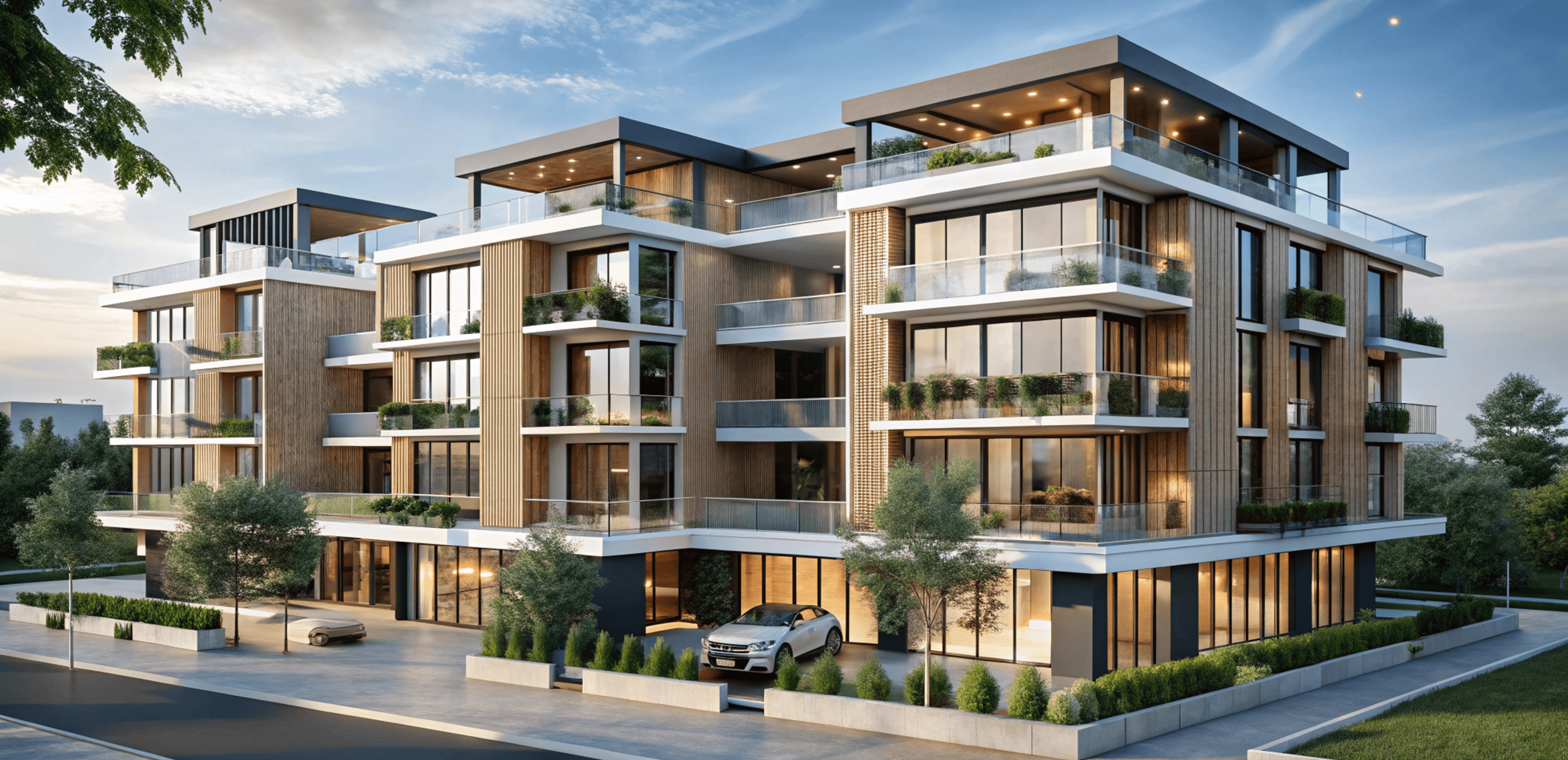
Buildings are increasingly being designed with vertical gardens that naturally purify the air, regulate temperature, and reduce the urban heat island effect.
These green facades do more than beautify; they play a critical role in supporting biodiversity by attracting birds and pollinators, making even the most densely populated spaces feel alive and vibrant. With nature integrated directly into concrete structures, cities are transforming into greener, more breathable ecosystems where residents can enjoy moments of calm amidst the urban rush.
Mixed-Use Community Hubs
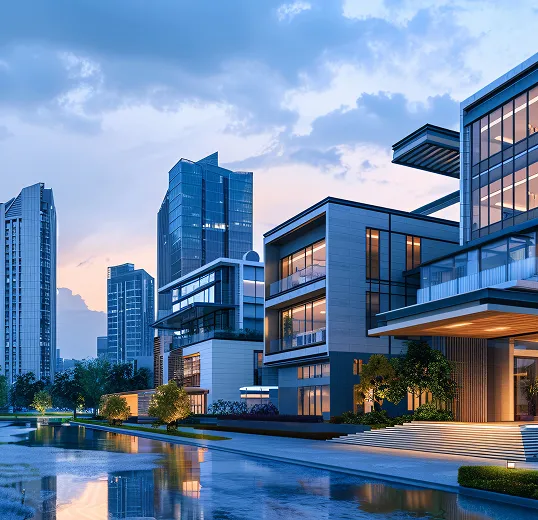
Urban landscapes are shifting towards mixed-use developments where residential, commercial, and recreational spaces are seamlessly blended. These hubs reduce the need for long commutes, placing daily essentials, workplaces, and leisure opportunities within walking distance.
As a result, people are spending less time in traffic and more time enjoying life. These neighborhoods foster a sense of community and convenience, redefining city living into a more connected and accessible lifestyle that supports well-being and productivity.
Smart Infrastructure
Modern cities are being built on the backbone of intelligent infrastructure, where technology is woven into the everyday experience. From traffic lights that respond to real-time congestion to energy grids that self-optimize based on consumption, urban environments are becoming more adaptive and efficient.
Smart infrastructure enhances public safety, conserves resources, and ensures smoother experiences for residents. This digital integration is not just about automation it’s about creating responsive cities that anticipate human needs and elevate quality of life.
Key Insight:
Urban transformation isn’t about abandoning the city—it’s about evolving it into a lifestyle ecosystem.


